By Becca Wall, Head of School at Fleet Primary School
Emotionally based school avoidance (EBSA) is an increasing concern for schools, families and local authorities, with a huge rise in numbers reported since the lockdowns. Indeed, improving attendance after the pandemic is a key component of Camden’s education strategy to 2030, Building Back Stronger.
We know that Year 6 to Year 7 transition is a key pressure point for vulnerable pupils. This is especially relevant in Camden where – despite high levels of in-borough collaboration through our area-based partnership Camden Learning – the wide cross-borough movement from primary to secondary, together with varied transition processes, make it particularly challenging to offer universal support.
In a cross-phase initiative, Fleet Primary School set out to bridge these gaps by identifying risk factors, strengthening relational support and embedding protective practices.
We worked in partnership with Acland Burghley School between September 2024 and July 2025 to explore how improved transition support between Key Stage 2 and 3 could reduce emotional or social barriers to pupils attending school.
Our work was grounded in trauma-informed and attachment-based practice, and central to it was the belief that belonging, visibility and trusted relationships are crucial to resolving emotional based avoidance.
Examples of best practice that we found included mentoring, assigning a key adult to help with transition, maintaining links to primary schools and involving pupils and parents in designing transition support.
Information gathering
Before assessing how we could put more protective factors in place, we knew it was important to have comprehensive data and so we set about gathering information about EBSA from secondary schools across the borough.
This data was invaluable and allowed us to analyse trends and risk factors, such as SEND, social struggles, trauma, known adverse experiences and challenges with peers.
We carried out longform interviews with individuals and/or their families to identify where a breakdown in engagement had occurred. We also tracked pupils entering Year 7 who had previously had access to transition workshops to measure the impact of those.
We collaborated with professionals in other sectors and spoke with borough leaders and practitioners so that we could highlight systemic gaps in family support, recording practices and continuity of care.
We drew on learning from Robson House Primary PRU, where Year 6 pupils benefit from early secondary school visits and continued relational support into Year 7.
Armed with a wealth of information from our data gathering, we then led a series of workshops and events.
“It feels great being listened to about my experiences of coming to secondary school and I want to help kids starting Year 7 as it’s not as bad as you think it’ll be.” Year 9 pupil from Acland Burghley.”
Together with Acland Burghley and a child psychotherapist, we delivered transition workshops to Year 6 pupils in two primary schools and received overwhelmingly positive feedback.
We also held parent workshops at Fleet, led by an educational psychologist, to support families in navigating the complexities of transition and found that parents wanted to see peer mentoring and continued contact with primary schools.
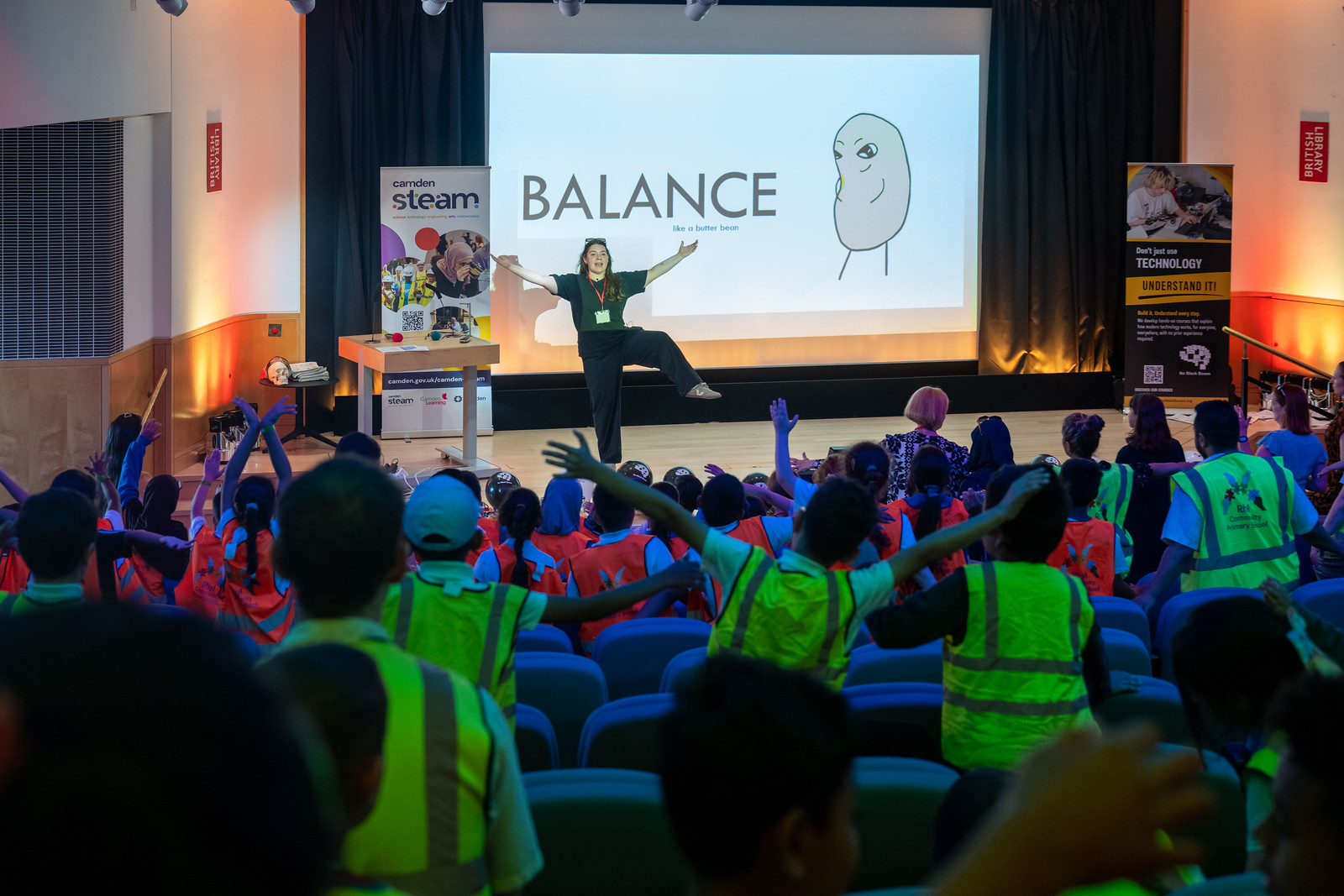
We held drop-in sessions for former Year 6 pupils which helped to maintain a sense of still belonging to the primary community and we ran a transition event for Year 5 and Year 6 pupils which featured reflections from former pupils now attending five different secondary schools.
Our extensive research enabled us to draw out examples of best practice which make a significant impact on those young people most susceptible to school avoidance, including:
- Mentoring is very valuable in bridging relationships across phases.
- Assigning a key adult before and after transition can help sustain trust.
- A vulnerability matrix to identify at risk Year 6 pupils is useful for secondary school staff.
- Training attendance and pastoral teams in EBSA strategies improves early intervention and reduces stigma.
- Maintaining links to primary schools through reunion events, peer mentoring or parent buddy systems can reduce the emotional disruption of transition, especially in boroughs like Camden where Year 6 cohorts disperse widely.
- Peer mentoring and student-led workshops have positive impacts on wellbeing, resilience and engagement.
- Involving pupils and parents in designing transition support ensures relevance and builds agency.
In conclusion, this Camden Learning initiative has shone a valuable light on how children at risk of emotionally based school avoidance – and their families – can be identified, helping them to feel supported and empowered as they transition from primary to secondary school.
We hope that our work offers a hopeful and practical model for how schools can work together to ensure every young person is able to thrive and achieve their full potential as they progress through the education system.
Read the full initiative report