Camden Learning’s Annual General Meeting last week offered the chance to reflect on a year of impressive outcomes, deepened collaboration and an unwavering commitment to equity and excellence across the borough.
Opening the meeting, Dame Jane Roberts, our new independent Chair, thanked her predecessor Dame Christine Gilbert for her thoughtful leadership of the organisation, and spoke about how important the work of members was in partnering across the system to strengthen educational and life outcomes. CEO Stephen Hall spoke about the deep sense of collegiality, trust and partnership that defines Camden Learning. With a shared mission between headteachers and Camden Learning, and clear structures to support leaders, schools continue to work collectively for the greater good.
As a civic partner to Camden Council, Camden Learning remains rooted in a clear sense of place, drawing on London’s rich cultural capital to enhance opportunities for children and young people. The organisation is values-driven and “led with deep compassion”, made possible by high-calibre staff, from Camden Professional Partners and subject advisers to governance support colleagues, who work alongside schools as trusted partners.
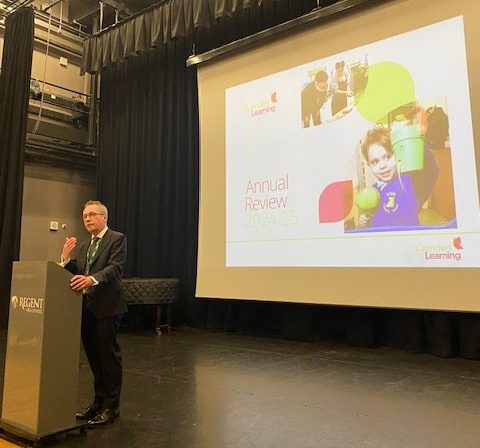
The AGM also featured a keynote address from Sir Ian Bauckham CBE, Chief Regulator at Ofqual since January 2024, having previously chaired the organisation from 2021. Sir Ian, who also chairs Oak National Academy, spoke about examinations, including the implications of the Curriculum and Assessment Review and the growing role of digital assessment. His contribution provided valuable national context for school leaders as they navigate ongoing reform and technological change.
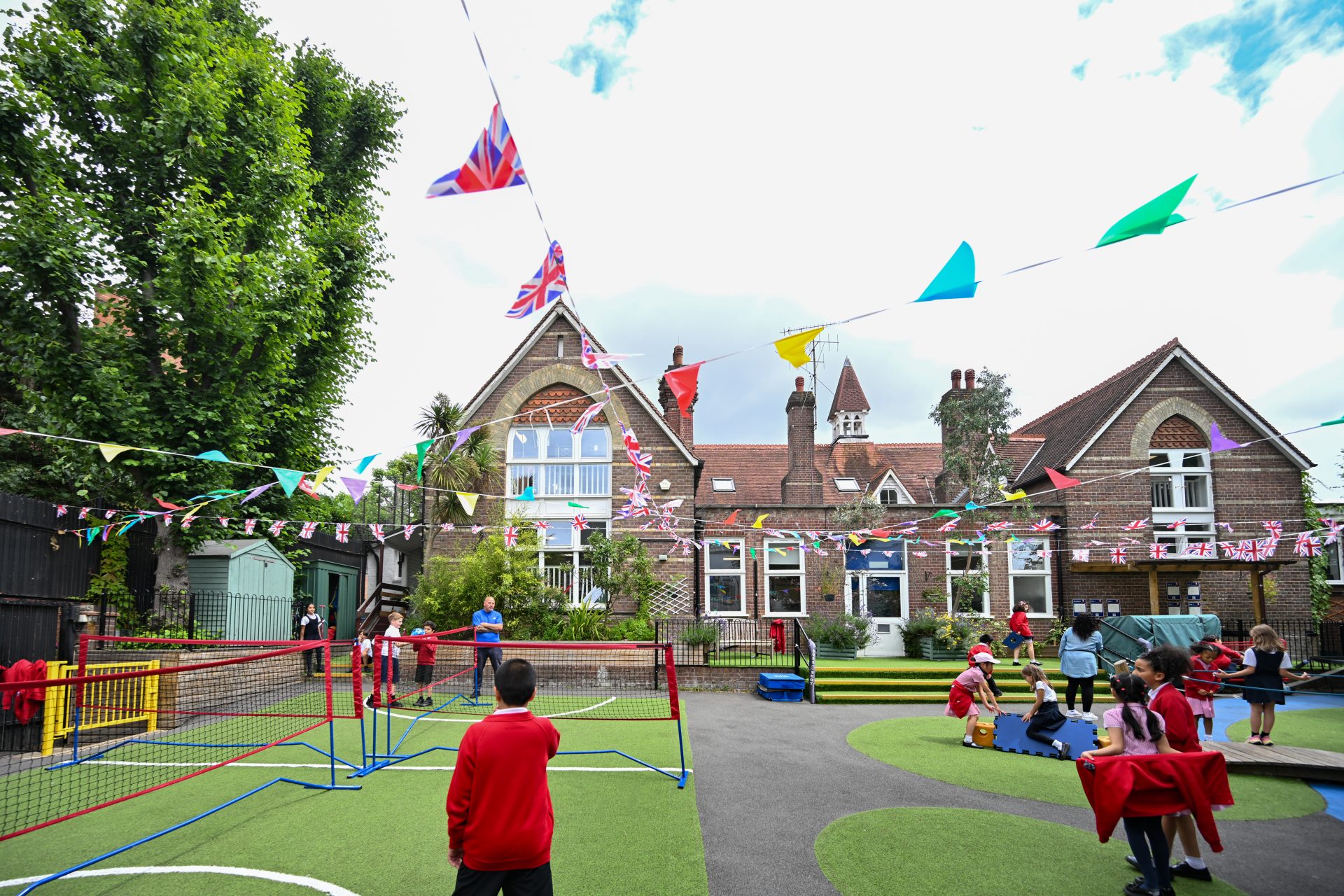
The AGM highlighted continued progress from the earliest years through to post-16. All Camden schools continue to be judged by Ofsted as providing at least a good quality of education (previous framework) or the expected standard (new framework) in all areas.
Outcomes at the end of Reception have risen to 71% of pupils in Camden maintained schools achieving a good level of development, up from 65% in 2022, with disadvantaged pupils performing above London and national averages and Camden ranking 6th nationally for disadvantaged attainment.
This year has also seen a renewed focus on oracy, with eight schools helping to establish a new Early Years Oracy Hub, alongside strengthened collaboration with specialist services and Family Hubs to improve attendance and reduce barriers to learning.
Across primary and secondary phases, inspection outcomes and attainment remain high. In 2025, 73% of pupils achieved the expected standard in Reading, Writing and Mathematics at Key Stage 2, placing Camden 8th nationally, while phonics outcomes ranked 6th out of 153 local authorities.
Collaboration between schools continues to deepen, with 26 schools now in formal partnerships and 25 recognised by the DfE for outcomes for disadvantaged pupils. Targeted programmes, such as Every Child Reading by 7, an expanded professional development offer delivered in partnership with UCL and strengthened secondary networks are supporting continued improvement, alongside wider SEND and advisory collaboration.
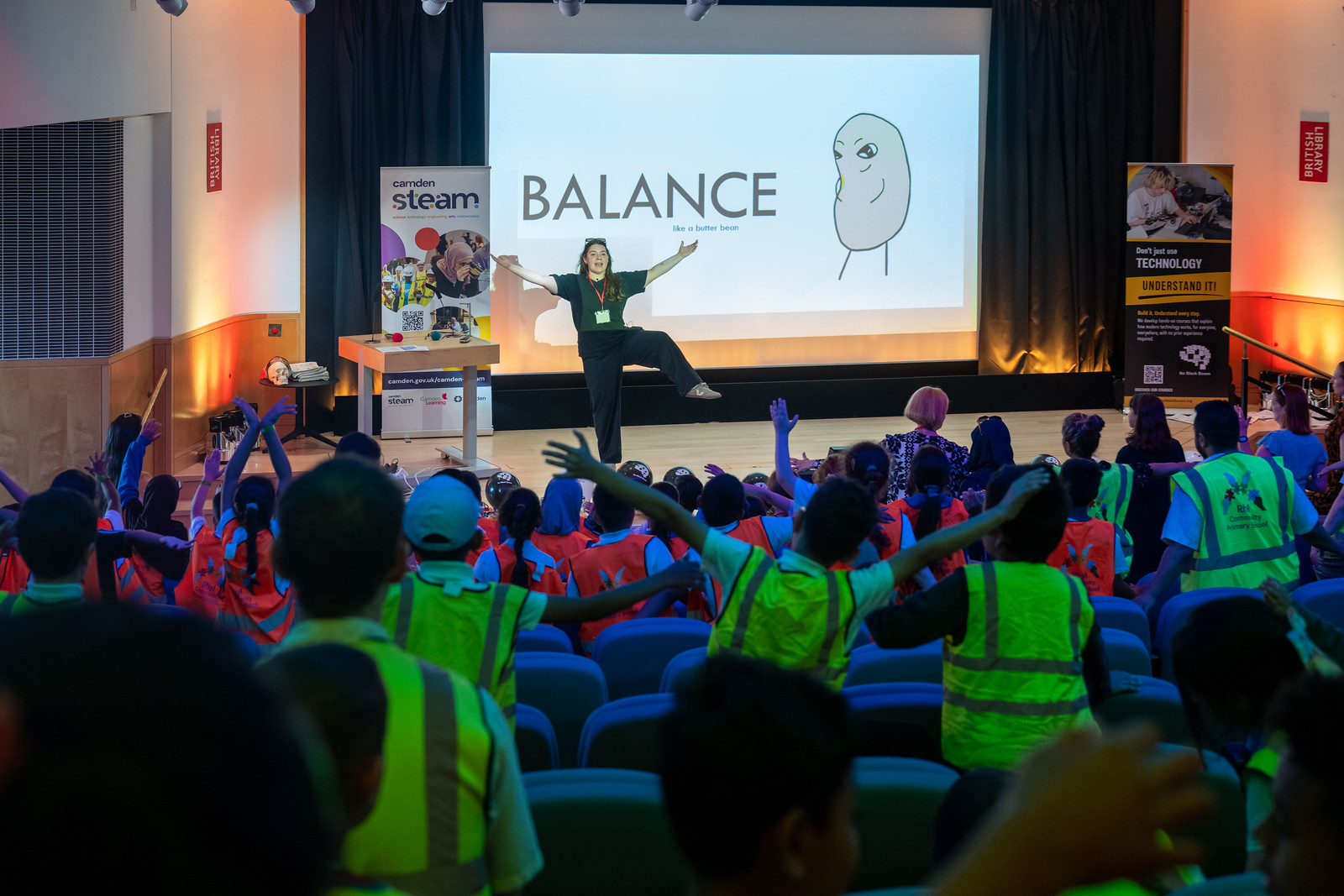
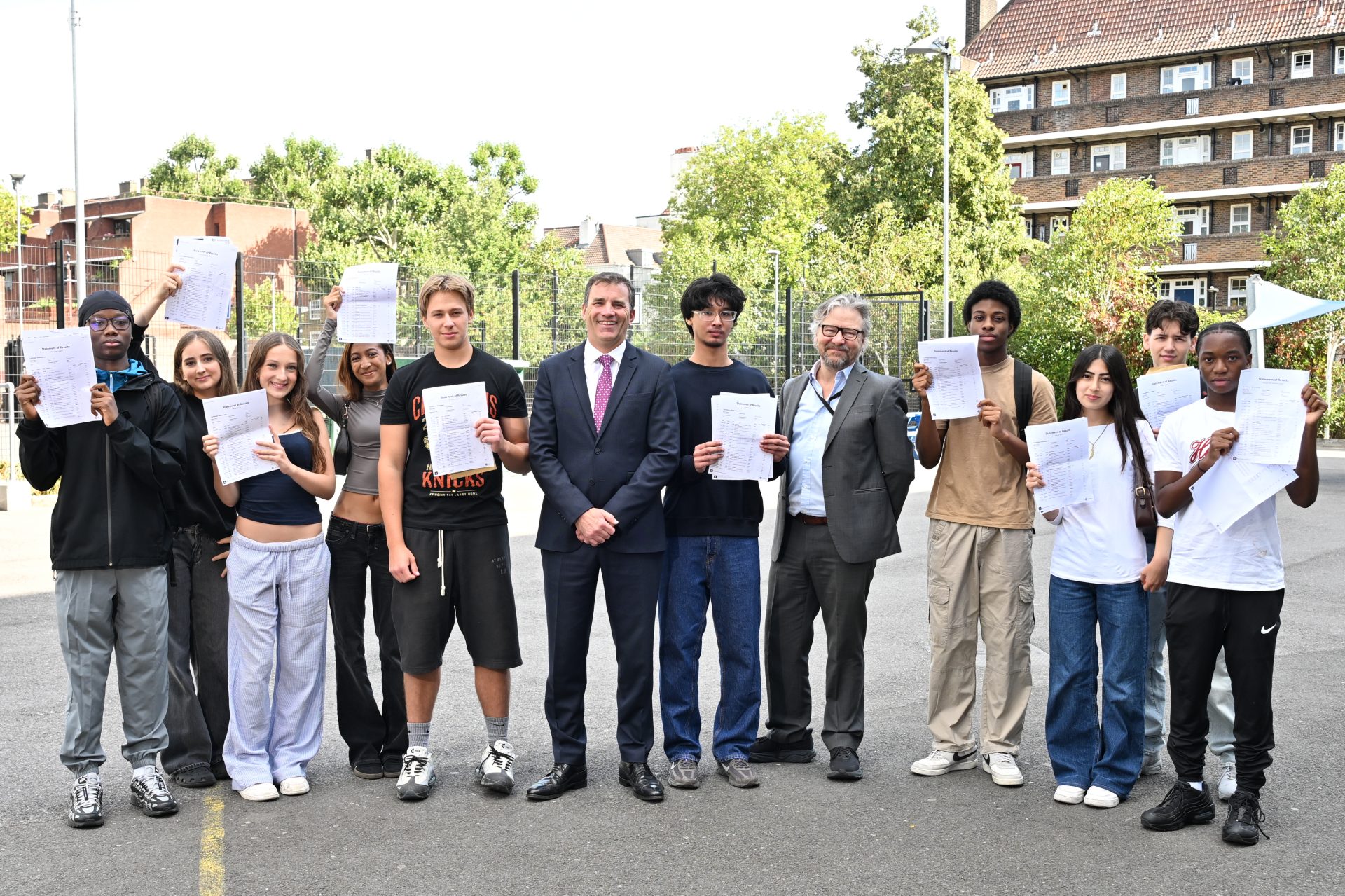
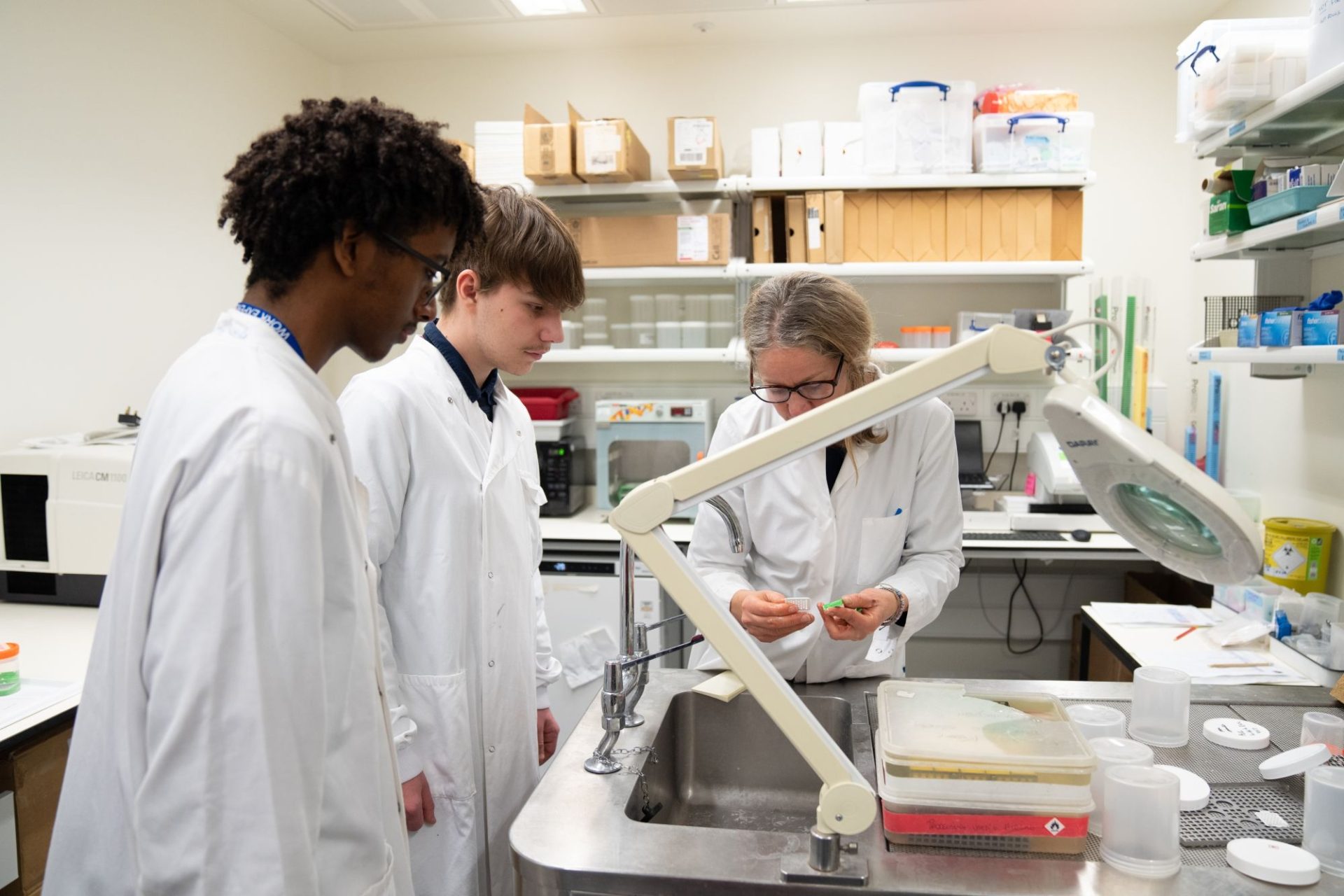
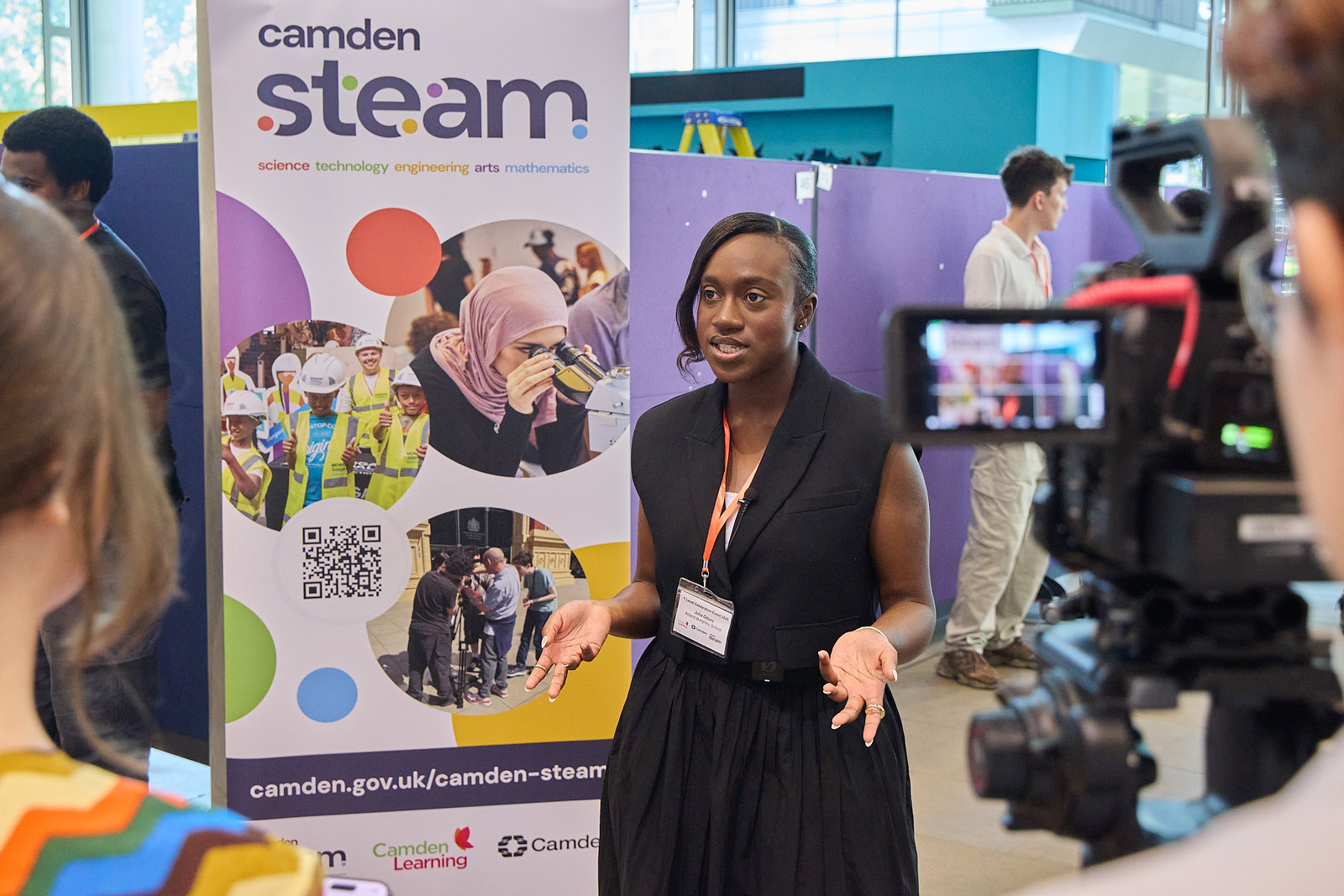
At Key Stage 5, A level and vocational results show a three-year upward trend, with average A level outcomes now above the national average. The first cohort of T Level students at Haverstock School completed industry placements, and the Camden STEAM programme has expanded significantly, engaging 51 schools and nearly 14,000 student interactions over the year.
Recent developments include a new Camden Next Steps Post-16 website, a shared Key Stage 5 data platform and the co-creation of a borough-wide Post-16 strategy. These sit alongside Camden Learning’s wider organisational enablers: strengthening identity and independence, making better use of data, securing financial sustainability and sharing learning more widely.
A fuller account of the year’s achievements and priorities will be published shortly in Camden Learning’s Annual Review.