As the government signals a major shift in how young people are prepared for an AI-driven economy, Camden is already showing what this future can look like in practice.
With recommendations in the Curriculum Assessment Review (CAR) set to be adopted, there will be a rebalance in the computing curriculum, a refresh to GCSE Computing and the introduction of new Level 3 pathways in data science and AI. There is growing national focus on how schools, councils and employers can work together to ensure opportunity keeps pace with technological change.
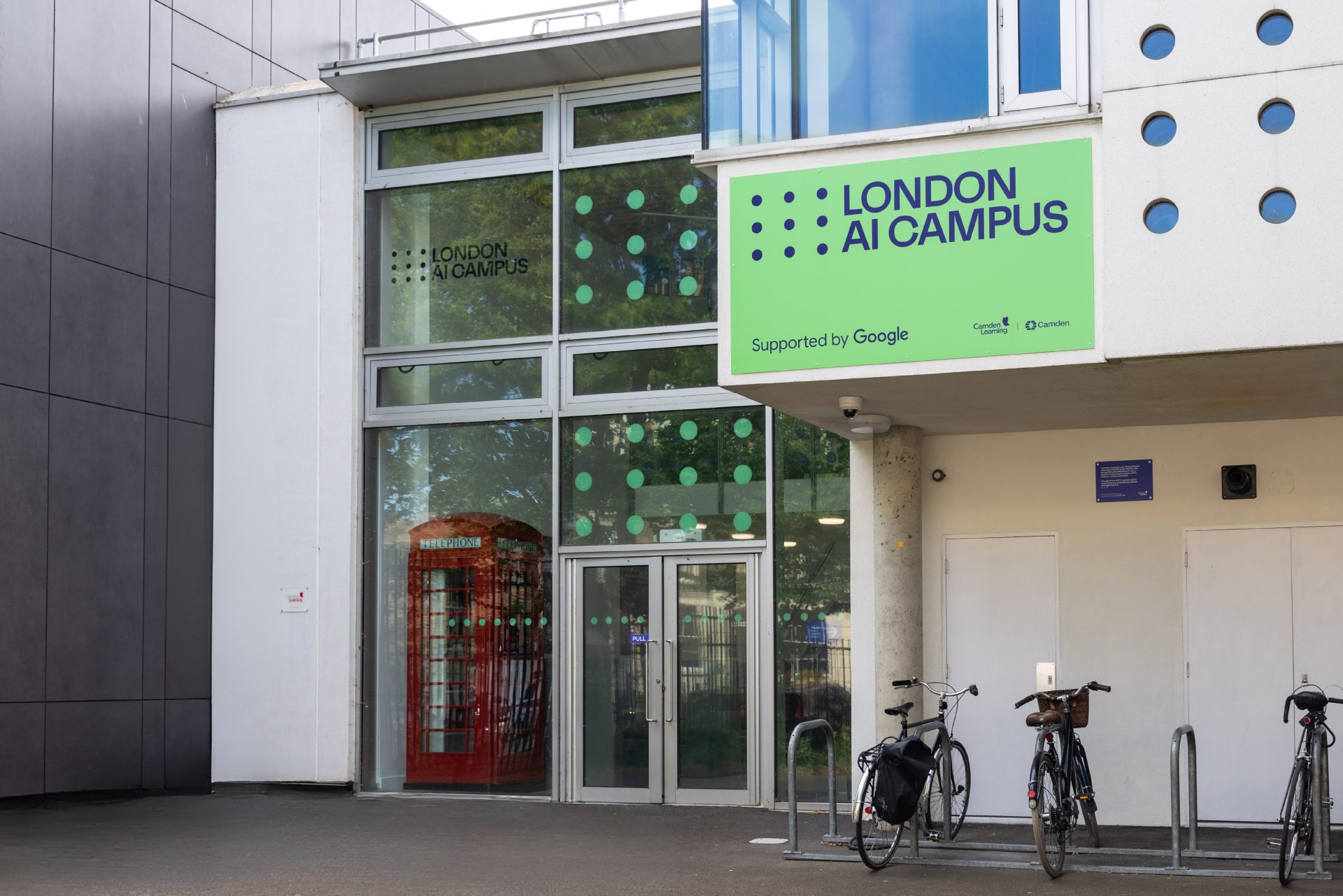
At the London AI Campus in Camden, that future is already taking shape, particularly for students who might not otherwise see themselves in the tech sector.
Officially opened in November 2024 by Sir Keir Starmer, the London AI Campus sits in the heart of one of the UK’s most concentrated clusters of global technology, science and knowledge-based employers. Yet, as the Prime Minister acknowledged at the launch, many local young people have historically walked past companies such as Google, GSK and AstraZeneca without imagining a future inside them. The challenge, he said, is to change that.
The London AI Campus is a partnership between Camden Learning, Camden Council and Google, designed to do exactly that: connect local students with the skills, experiences and networks needed to access high-growth careers in AI and related fields. Camden Learning plays a central coordinating role, working with schools, designing enrichment programmes and building sustained links between education and industry to reach students who are often under-represented in tech.
This work aligns closely with the direction of travel set out in the CAR, which aims to strengthen vocational and technical routes, embed employer engagement and create clearer pathways into priority sectors post-16. While national reforms are still in development, Camden’s approach demonstrates what is already possible when curriculum, enrichment and employer partnerships are joined up.
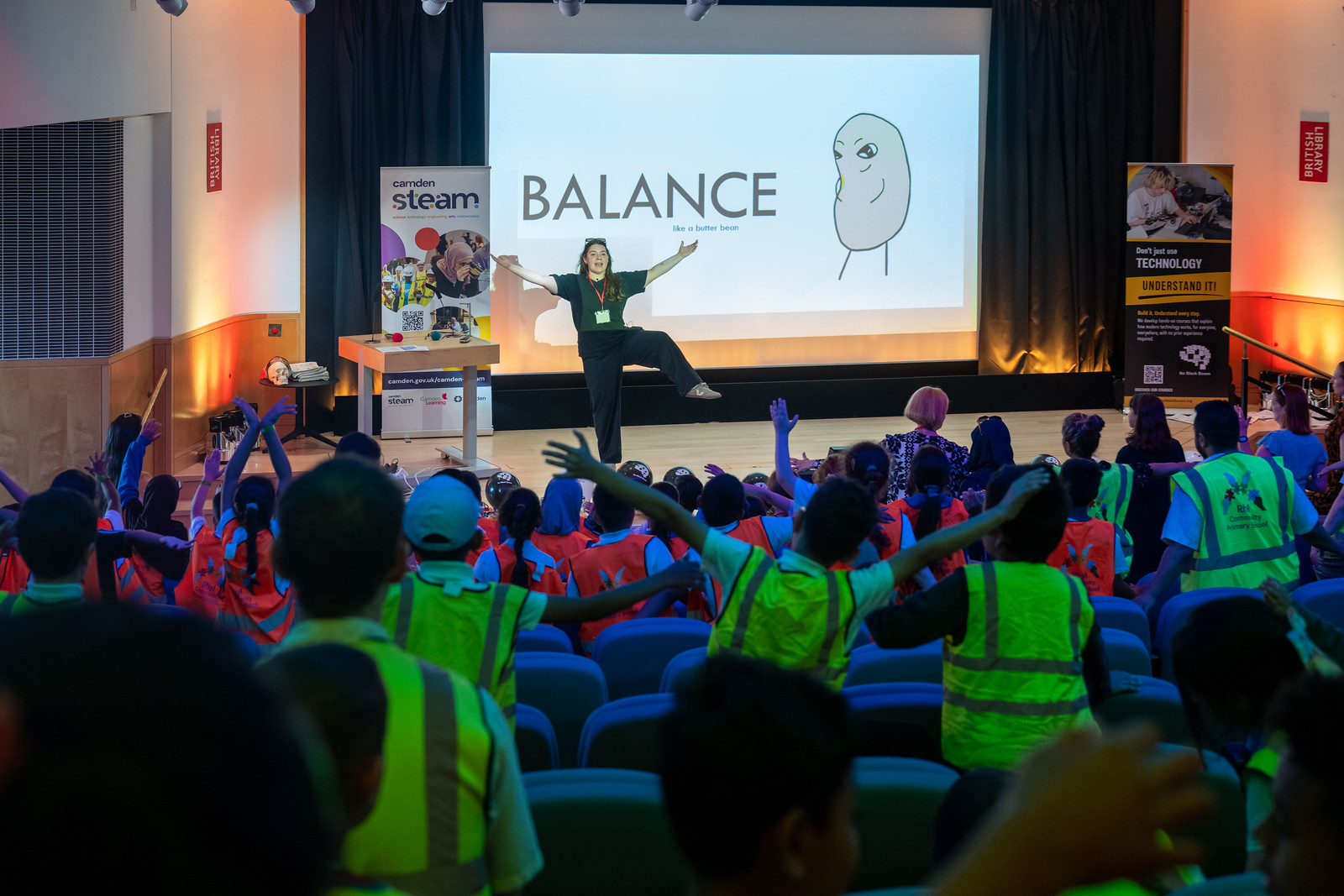
A flagship example is AI Connect, an extracurricular programme for Year 12 and 13 students, taken alongside A levels. Built around the principle of “see it, believe it”, the programme combines core AI literacy, including machine learning, robotics and AI fundamentals, with themed modules such as AI and Sustainability and AI and Health. Students apply their learning through a real-world capstone project, while also developing creativity, critical thinking, ethical awareness and problem-solving skills.
Crucially, every student is matched with an industry mentor drawn from Camden’s business community and national STEAM organisations. Mentors meet students regularly to discuss career pathways, university applications, internships and the practical use of AI tools, helping them translate classroom learning into tangible next steps.
The impact is already clear. One student, AJ, impressed senior leaders at a recent Google symposium with his curiosity and confidence, prompting a chief people officer to say she would “hire him on the spot” if she could. Another student, Eric, describes taking part in AI Connect as “an utter privilege”, while stressing that access to these opportunities should be universal, not exceptional.
For some students, the programme has been transformational. One participant, newly diagnosed with autism, arrived hesitant to speak but went on to confidently present a hackathon project to industry judges, answering challenging questions with assurance. Robotics projects delivered in partnership with organisations such as No Black Boxes have sparked new interests, with students like Billy discovering a passion for coding for the first time. Others, including Amyrah, are now applying for advanced study in AI and robotics at institutions such as UCL.
Representation is a core focus. Forty per cent of the current cohort is female, significantly above national averages for tech-related courses, and students from a wide range of backgrounds report growing confidence in their expertise and aspirations.
As debates continue nationally about how education should respond to rapid advances in AI, Camden’s experience offers a powerful case study. By connecting curriculum learning with enrichment, mentorship and employer engagement, Camden Learning and its partners are not waiting for change – they are already delivering it.
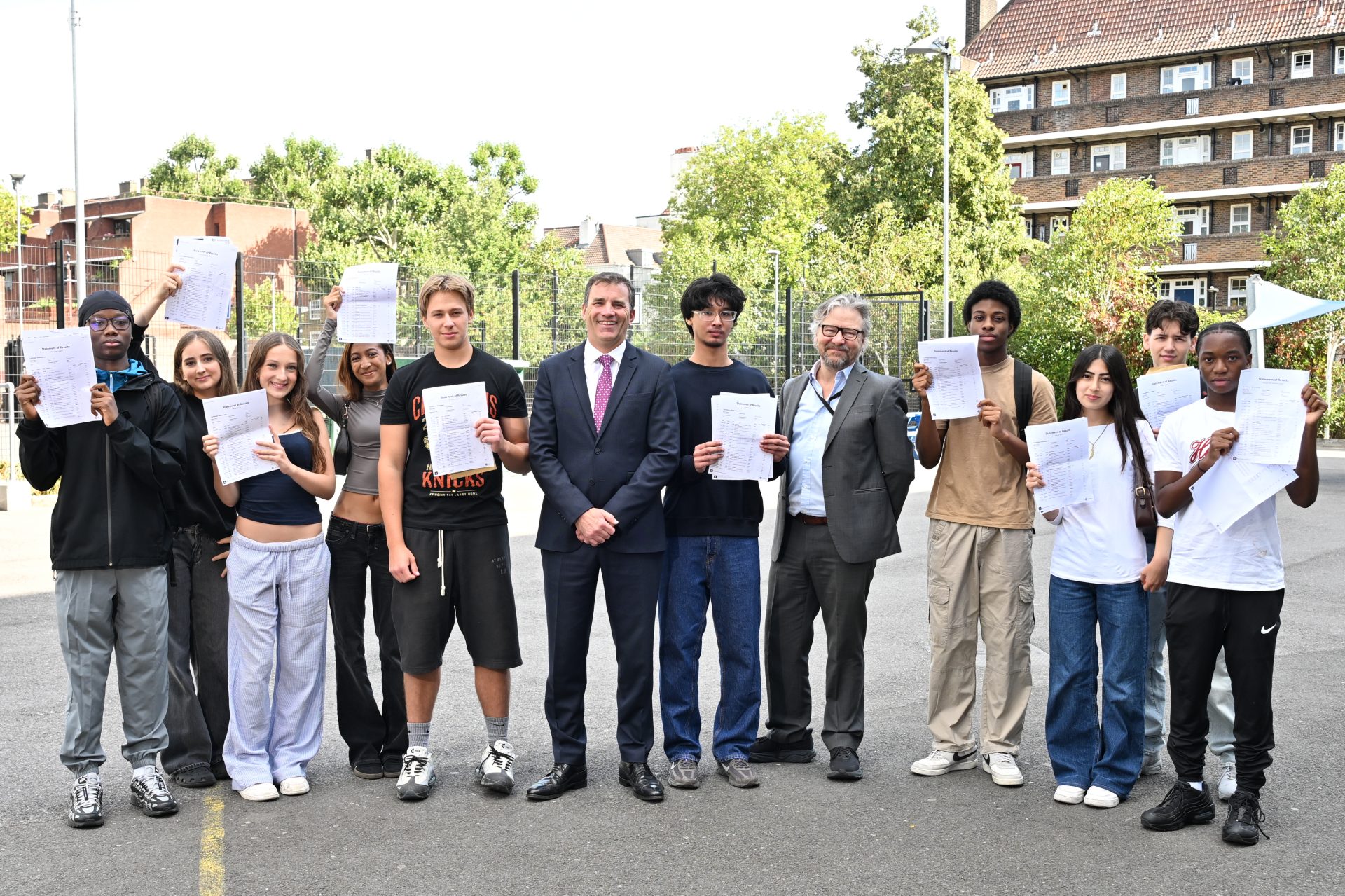
As the first cohort of London AI Campus students prepares to graduate this summer, they will leave not only with technical knowledge, but with confidence, networks and a sense of belonging in a sector shaping the UK’s future.