By Katy Forsdyke, Headteacher, Christ Church Primary School and Rights Respecting Schools Lead, Camden Learning
Over the past year, Camden Learning has been championing Rights Respecting Schools across the borough, supporting both primary and secondary schools to put the principles of the United Nations Convention on the Rights of the Child (UNCRC) at the heart of school life.
As headteacher at Christ Church Primary School, a Gold-accredited Rights Respecting School, and the lead for this initiative at Camden Learning, I’ve been inspired by the progress schools have made and the energy students bring to shaping change.
At its core, a Rights Respecting School is a place where children’s rights are actively taught, respected, and experienced. Pupils are given genuine opportunities to influence decisions and lead initiatives through student-led steering groups. This approach strengthens pupil voice and empowers young people to take action for the benefit of their peers and wider communities.
Camden schools – RRS status – September 2025
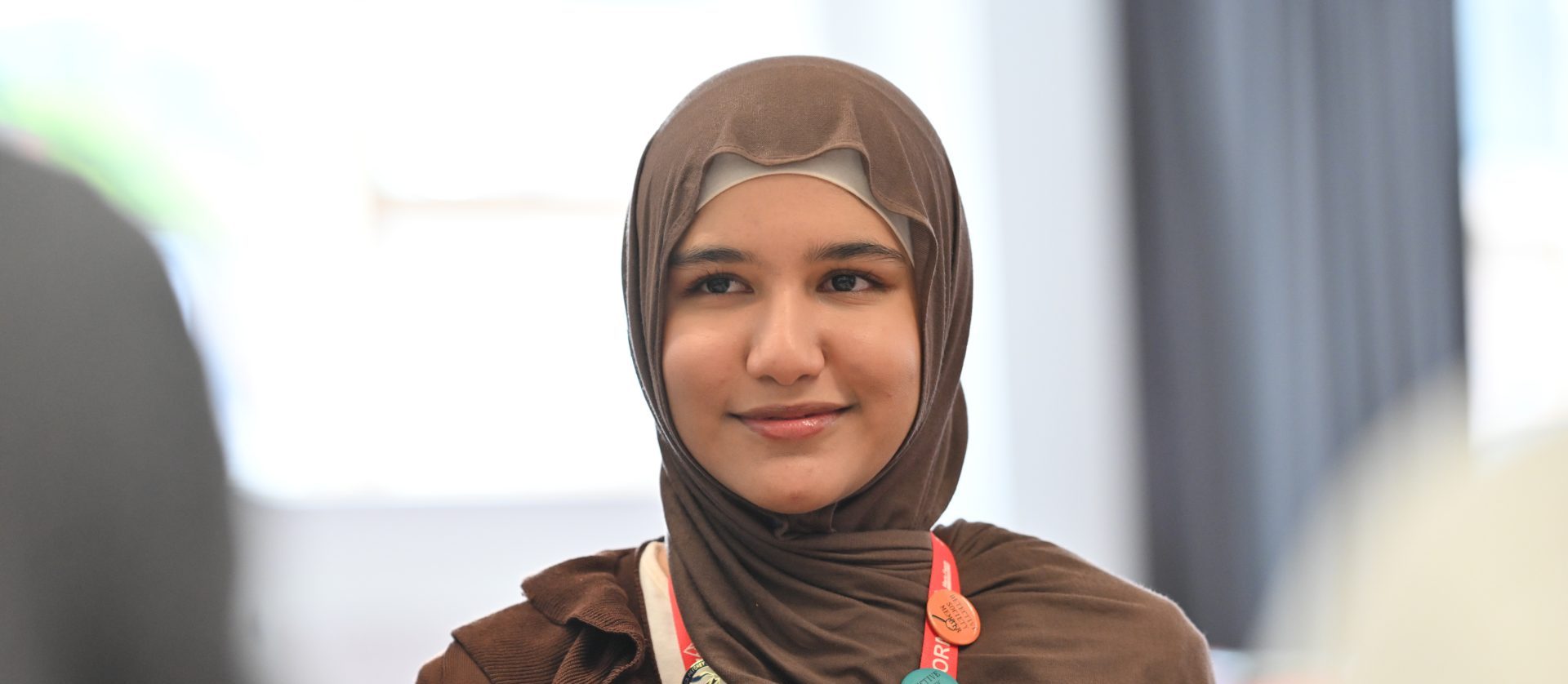
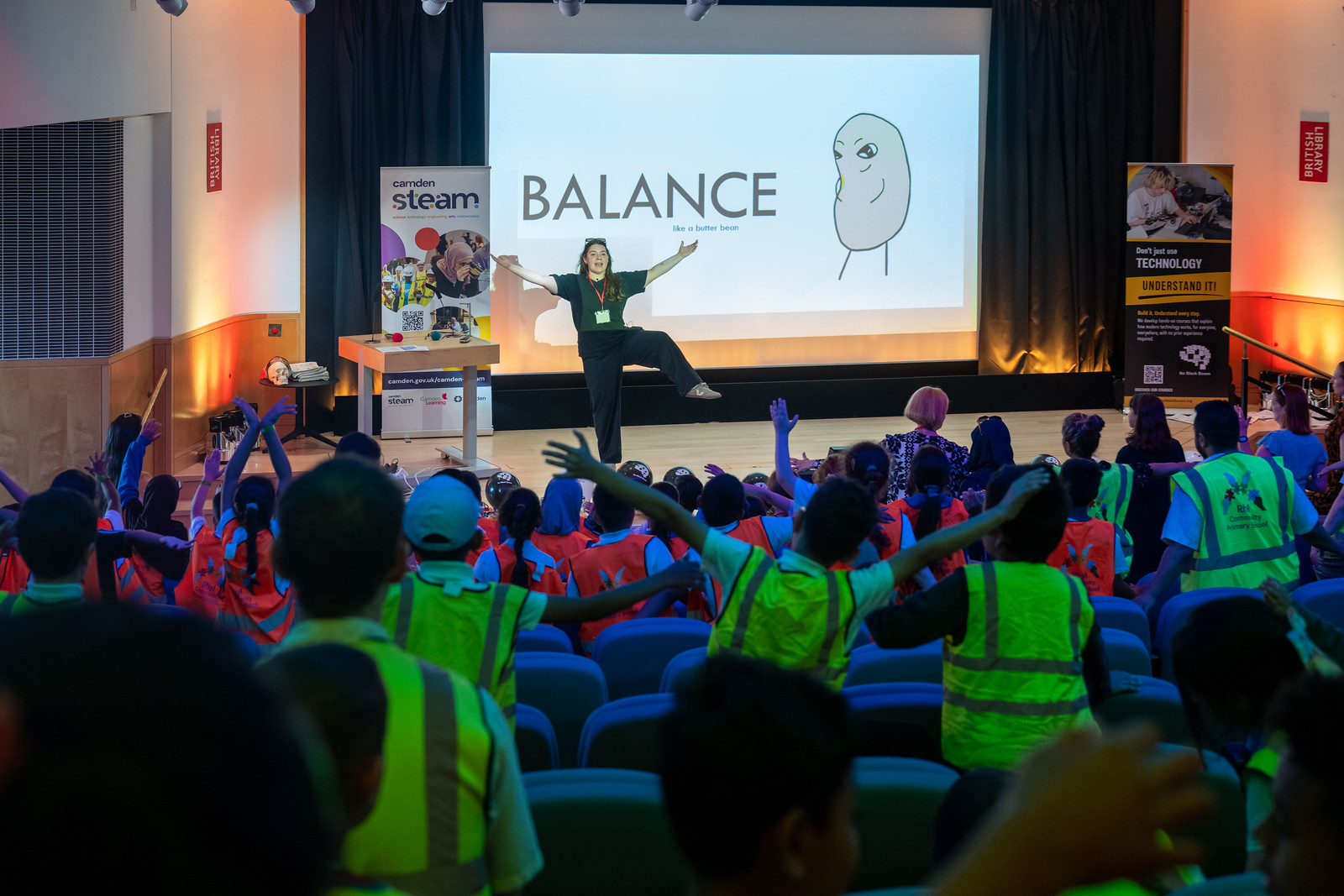
In October, Camden Learning hosted a Rights Respecting Schools event for secondary students. Seven Camden secondary schools participated alongside Eastbury Community School from Barking, recently accredited Gold for their Rights Respecting work. The aim was to inspire student groups to return to their schools ready to lead, make an impact, and embed children’s rights in everything they do.
The event began with an introduction to Rights Respecting Schools, followed by activities exploring what a rights-respecting school looks like in practice. Many students were already familiar with the concept, but the exercises helped set the stage for deeper discussion and action.
A highlight was an inspirational presentation from Eastbury students, who shared how embedding children’s rights has transformed their school. They spoke passionately about the value placed on pupil voice and the impact of their campaigns.
One programme, Careers Not Cutting, addressed knife crime by educating students about careers in sectors where knives are used safely, such as catering, turning a potentially negative issue into a positive learning opportunity. Another project, Helping Hands, created hygiene packages for students and the local community, supported by local charities, ensuring children had access to essentials such as toothpaste and shampoo.
Following these presentations, Camden students worked collaboratively on a planning activity guided by the Eastbury students. They explored three key questions:
- How can young people make sure everyone in their school community knows about children’s rights?
- How can they ensure all students feel welcome and respected for who they are?
- And how can student steering groups ensure they hear the views of others on rights-related issues?
Students brainstormed ideas for publicity campaigns, peer engagement, and student voice initiatives, taking detailed notes back to their schools to implement change.
Feedback from the day was overwhelmingly positive. Students reported learning how they could actively improve their schools through rights-respecting work and recognised the significance of children’s rights in their lives. They valued hearing differing opinions from peers in other schools and expressed excitement about leading new initiatives. As one student reflected, “I didn’t realise we could actually make such a big difference just by knowing our rights.”
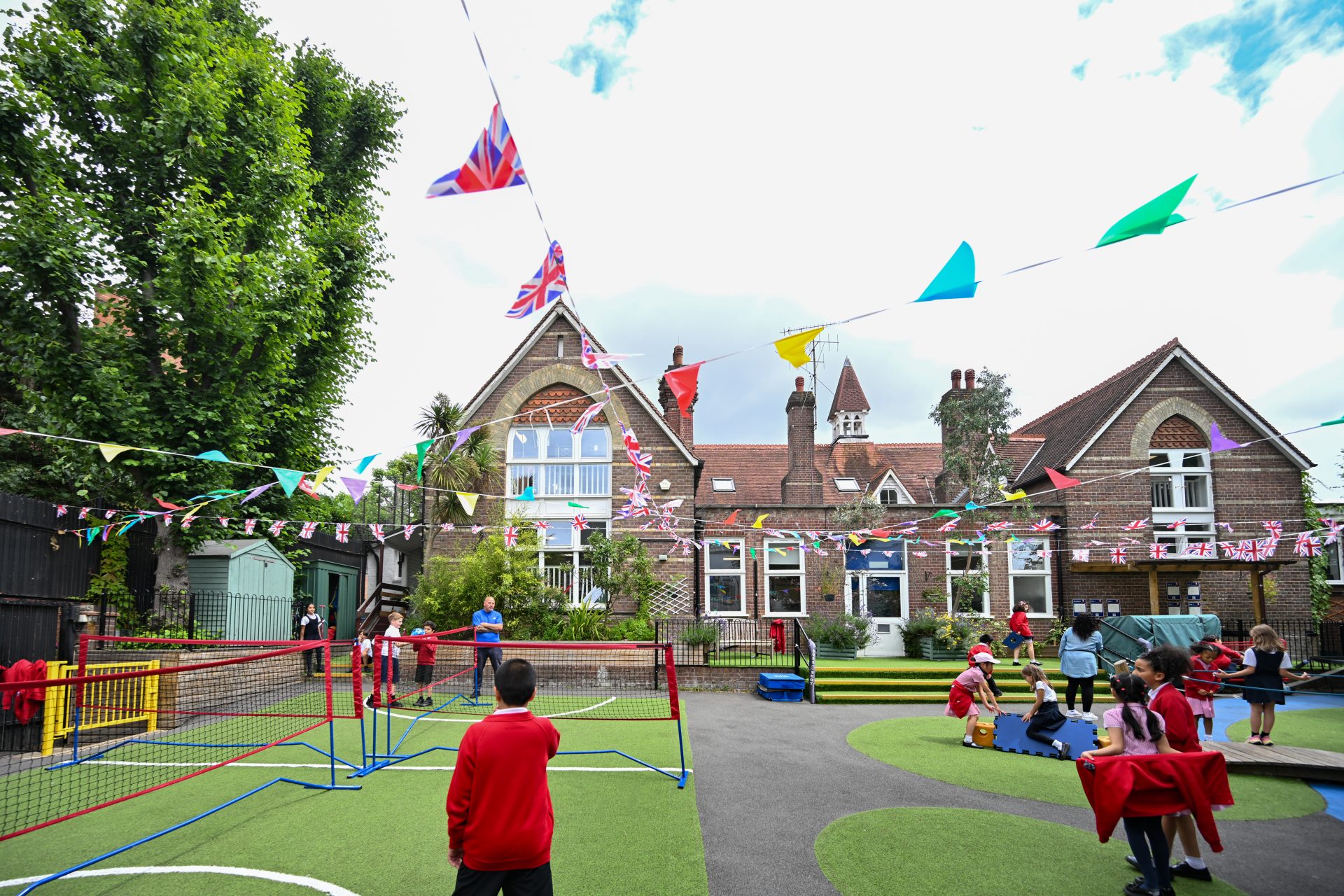
In primary schools, the impact of Rights Respecting work is equally inspiring. At Christ Church Primary School, our pupils recently organised a Christmas gift box appeal to support children in the local community. Recognising that every child has the right to play, our students collected and prepared boxes containing toys and games for children who might otherwise go without. This initiative not only brought the school together but gave pupils a tangible way to put the UNCRC into practice, understanding the importance of rights in their everyday lives.
As one Year 6 pupil at Christ Church said:
“We are aware of our rights, but also we learn about children who don’t have their rights and think of ways to help them, like putting together our Christmas Boxes to help other children play.”
Embedding children’s rights extends beyond individual projects. It enhances global understanding, helping students appreciate that children worldwide share similar rights, even in very different circumstances. It empowers them to respond to local and global issues, whether through campaigns, charity projects, or raising awareness of inequality.
Early feedback from staff, parents and governors at Camden’s Rights Respecting Schools:
“Children feel that they can be changemakers and understand that children do not always get their rights.”
“Staff are able to discuss behaviour and other tricky subjects through the language of rights.”
“Children are beginning to make their own links within their learning to the rights they have learned about.”
Camden Learning also hosts a Rights Respecting Schools network, with termly meetings for both primary and secondary leads. These sessions allow schools to share good practice, celebrate progress, and problem-solve collaboratively. For schools new to the initiative, I am happy to provide guidance, offer introductory sessions, and explain how the programme works, helping every school understand the benefits of putting children’s rights at the heart of education.
I’ve seen first-hand the transformative effect this work has on students, staff, and the wider school community. It’s an initiative that aligns seamlessly with curriculum goals, encourages inclusive practice, and empowers young people to make meaningful change.
For schools interested in joining the Rights Respecting Schools initiative or learning more about what we’re doing in Camden, please contact me at head@cchurchnw3.camden.sch.uk