When 50 students from four Camden secondary schools came together in October to share their work on children’s rights, they had a clear message they wanted to take beyond their own schools.
At the end of a morning of discussion, activities and sharing ideas, students from Acland Burghley, La Sainte Union, William Ellis and Parliament Hill schools signed a joint letter to the Mayor of London and the Violence Reduction Unit (VRU), asking them to extend funding for the Rights Respecting Schools programme for a further four years.
Later that day, Katy Forsdyke, who leads the Rights Respecting Schools programme for Camden Learning, took the letter to UNICEF’s headquarters in Stratford. Attending an event to launch new research into the impact of Rights Respecting Schools, Katy presented Camden’s progress to an audience of education and local authority representatives, UNICEF and VRU colleagues, and handed the students’ letter directly to the head of the Violence Reduction Unit.
It was a practical demonstration of what the programme is all about: helping children understand their rights, giving them opportunities to express their views and ensuring that adults take those views seriously.
Katy said:
One of the important things about being a Rights Respecting School is taking action. We wanted the students to have the opportunity to do something that could make a difference.
The letter was written with them, and they all had the opportunity to sign it. Taking it to the UNICEF event and handing it directly to the head of the Violence Reduction Unit was a way of showing our young people that their views matter and that they can have a voice in decisions that affect them.
A collective voice for continued investment
The students’ letter sets out just how much the programme has achieved in Camden since funding from the Mayor of London’s office began in 2024.
Camden has grown from five Rights Respecting accredited primary schools in 2024 to 31 registered and accredited schools at the beginning of 2026. This includes primary and secondary schools and four special schools. More than half of Camden’s schools and pupils are now involved, with further schools continuing to join. This initiative is part of the borough’s commitment to an ambitious, inclusive education system which supports children to become changemakers – as set out in the borough’s education strategy, Building Back Stronger.
The students acknowledged the importance of the funding in making this growth possible, while explaining why they believe continued investment is needed.
Their request is for a further four years of funding, giving schools the time and support to work towards Gold Rights Respecting Schools accreditation. Gold accreditation recognises schools where children’s rights are embedded in policies and everyday practice, and where the whole school community is involved.
In their letter, the students also referenced Articles 12 and 13 of the United Nations Convention on the Rights of the Child (UNCRC), which establish children’s rights to express their views freely and to have those views taken seriously.
Katy believes that extending the funding would help more schools reach the point where children’s rights are fully embedded in the way they operate:
Four years has been really positive and has helped us make great progress, but I think schools need longer for children’s rights to become fully embedded in the way they work. Across the borough we want to get to a point where respecting children’s rights is simply part of how schools operate, and stopping the programme isn’t something anyone would consider.
Students leading change in their schools
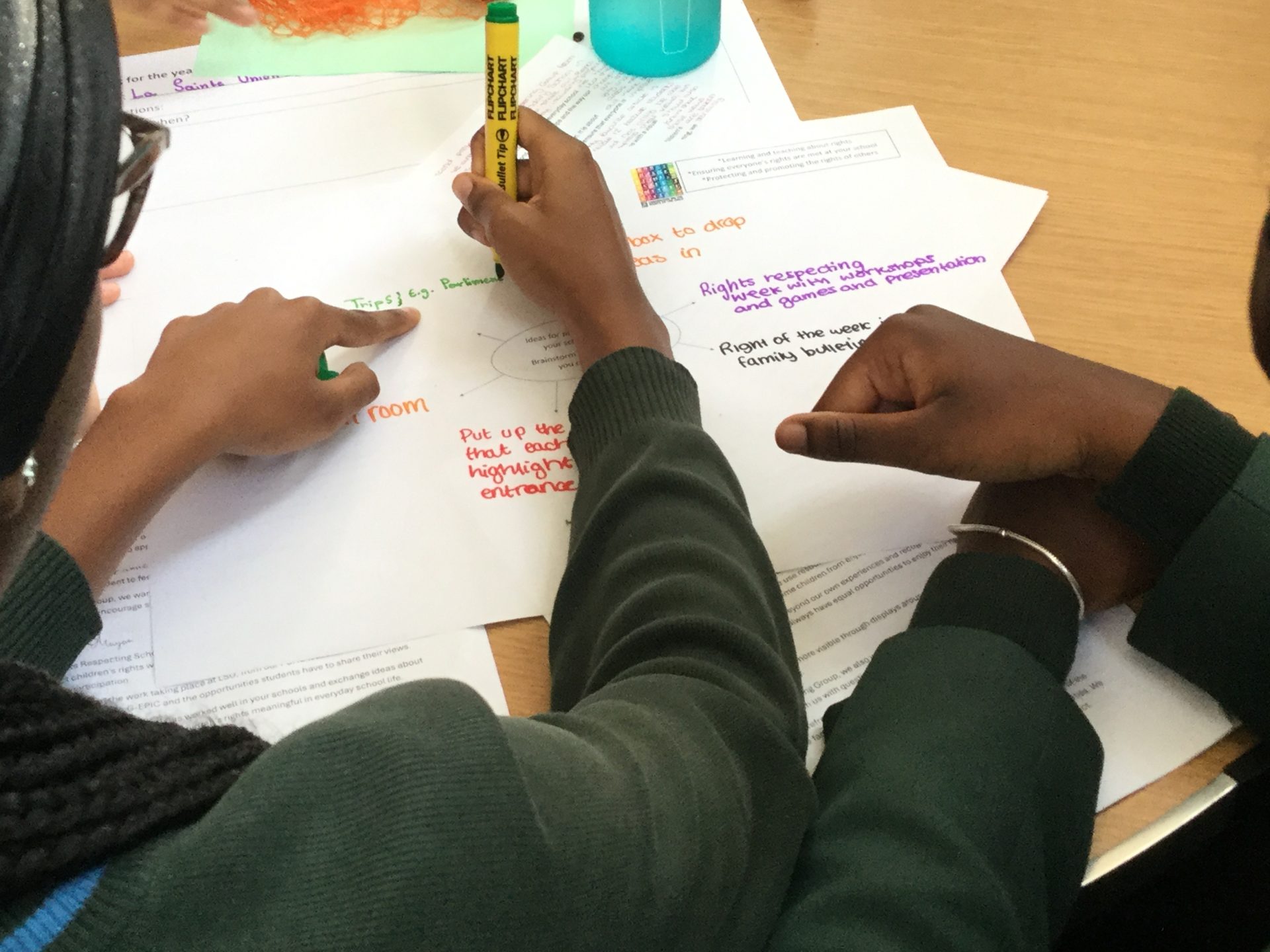
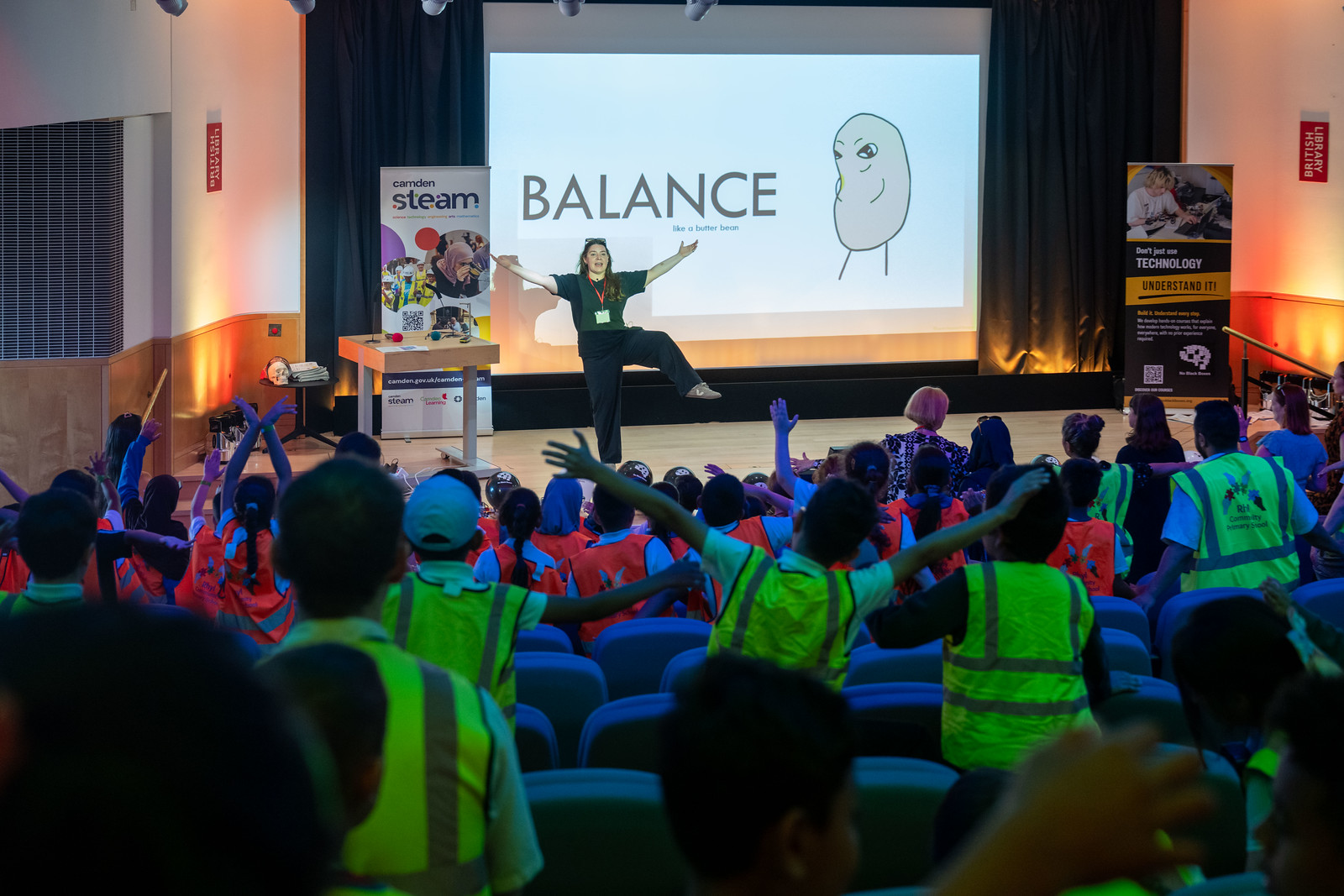
The letter was the culmination of a busy morning organised by Camden Learning, bringing together students from four secondary schools, with representatives from UNICEF and school leaders sharing their experience.
Vicky Osborne-King from UNICEF spoke about the importance of children’s rights and the UN Convention, while Dr Anton McLean, Principal of UCL Academy and formerly a head of school at Gold-accredited Kingsbury School, shared what had helped the school achieve Gold status.
Students then presented examples of the work taking place in their own schools. These included rights-themed treasure hunts, school events, charity fundraising and student-led campaigns.
At Acland Burghley School, the rights team had organised a treasure hunt around the building, putting information about different children’s rights in various locations and challenging form groups to find them. It was a fun way to raise awareness, with the students themselves taking responsibility for planning and delivering the activity.
The morning also included an activity led by Katy to help students understand five key characteristics of children’s rights: that they are universal, inherent, indivisible, unconditional and inalienable.
Each school’s rights team finished by discussing what they had learned and identifying the actions they wanted to take back to their school communities.
For Katy, one of the most important messages from the event was that children’s rights should be understood by everyone, not just the students who are part of a rights team.
That means staff, families and the wider community as well. It’s also about recognising that schools may already be doing lots of things that support children’s rights. It’s about looking at those activities through a rights lens and making the connections.
For example, if a school is fundraising for Comic Relief or organising an international day, it can think about which children’s rights those activities support. It’s about making rights part of everyday school life.
A growing commitment across Camden
The UNICEF event also provided an opportunity for Katy to share the progress Camden has made with the programme and its growing reach across the borough.
The event marked the launch of research by Professor Carol Robinson exploring the impact of Rights Respecting Schools, including the relationship between the programme and pupils’ sense of belonging and feeling valued in school.
Katy presented Camden’s experience, explaining how the borough has increased participation and the difference that a coordinated approach across schools has made.
With 31 schools registered and accredited at the beginning of 2026, and more schools progressing towards their next accreditation stage, Camden’s commitment continues to grow.
For the students who signed the letter, the morning offered a valuable opportunity to learn from one another and see how their collective voice can reach beyond the school gates.