As the government puts enrichment at the heart of its ambition to give every child the skills, confidence and experiences they need for life, Camden is showing what that can look like in practice through the Schools Art Biennale, showcasing the creative work of children from across Camden.
Over the summer the government published a new enrichment framework supporting schools to deliver enrichment for all pupils, with arts and culture among the framework’s core areas. This is supported by a new Every Child Can programme, which will invest £132.5 million to increase children’s access to enriching activities. The ambition is for children and young people to discover their interests, build confidence and develop skills irrespective of where they live or what their family can afford.
In Camden, where a similar ‘enrichment pledge’ forms part of the borough education strategy, that principle has been brought to life through the Camden Schools Art Biennale 2026. The Biennale – led in partnership by Camden Learning, Camden Council and Central Saint Martins, University of the Arts London (UAL) – is part of our long-standing commitment that every pupil receives enrichment opportunities as part of their education.
This summer, artwork from every maintained school in the borough was brought together at the Lethaby Gallery at Central Saint Martins, giving children and young people the chance to see their work exhibited in one of the country’s leading arts and design institutions.
The exhibition was a culmination of a year-long programme designed to strengthen art teaching, develop teachers, build partnerships with leading cultural organisations and, most importantly, give every child the opportunity to discover what they can do.
From classroom to Central Saint Martins
For Gwen Lee, who leads the Biennale for Camden Learning, seeing pupils encounter their work in a professional gallery was one of the highlights.
“It was a real kind of ‘wow’ moment for them,” she says. “There were lots of very excited children at the exhibition, lots of proud parents and lots of grandparents.”
One pupil even spotted their artwork on a billboard on the way to the exhibition and said:
“I can’t believe it. I’m going to bring all my family. It’s so exciting.”
The exhibition brought together work from across the age range and included pupils from special schools and alternative provision, reflecting one of the Biennale’s central ambitions to celebrate the creativity and diversity of all Camden’s young people.
The work on display reflected the breadth of the programme, from painting, drawing and illustration to sculpture, collage, film, textiles and 3D work.
For pupils, it provided the opportunity to see their ideas valued and experience a cultural space as somewhere they belong.
As Gwen puts it: “Every child has the right to be creative and feel that art belongs to them.”
Enrichment that changes what happens in the classroom
The Biennale also demonstrates an important principle for schools considering the new national enrichment agenda, that the strongest enrichment does not sit separately from the curriculum, but feeds back into it.
As part of the programme in Camden, 17 primary schools received two days of specialist art support, combining practical work with pupils and professional development for teachers.
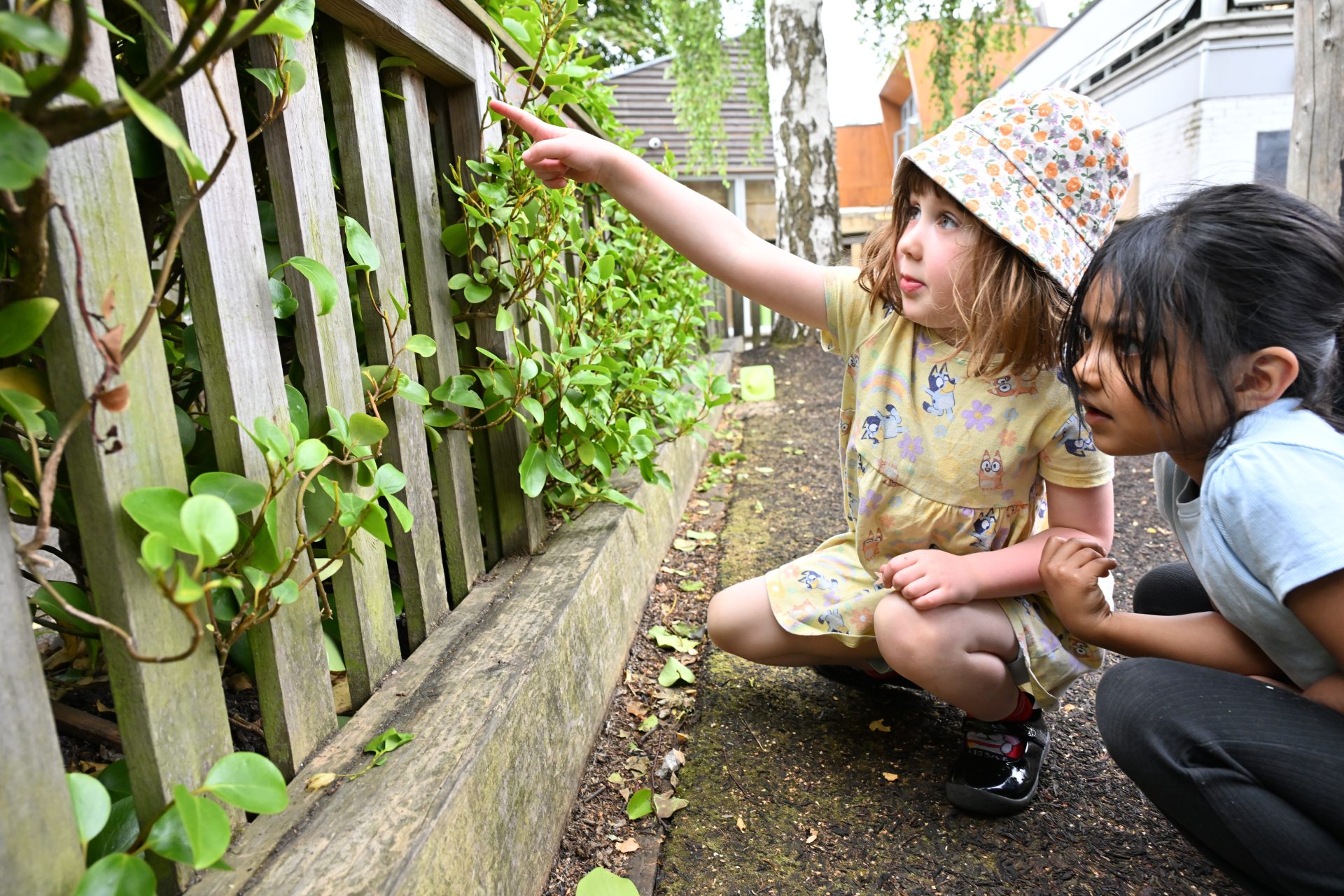
Schools reported that the programme had a significant impact on their art practice. One described how the guest artist visiting the school “fired the imagination” of pupils while teaching classroom staff new skills and different ways of looking at art. Another reported seeing children with SEND concentrating for longer than they usually did during the activities.
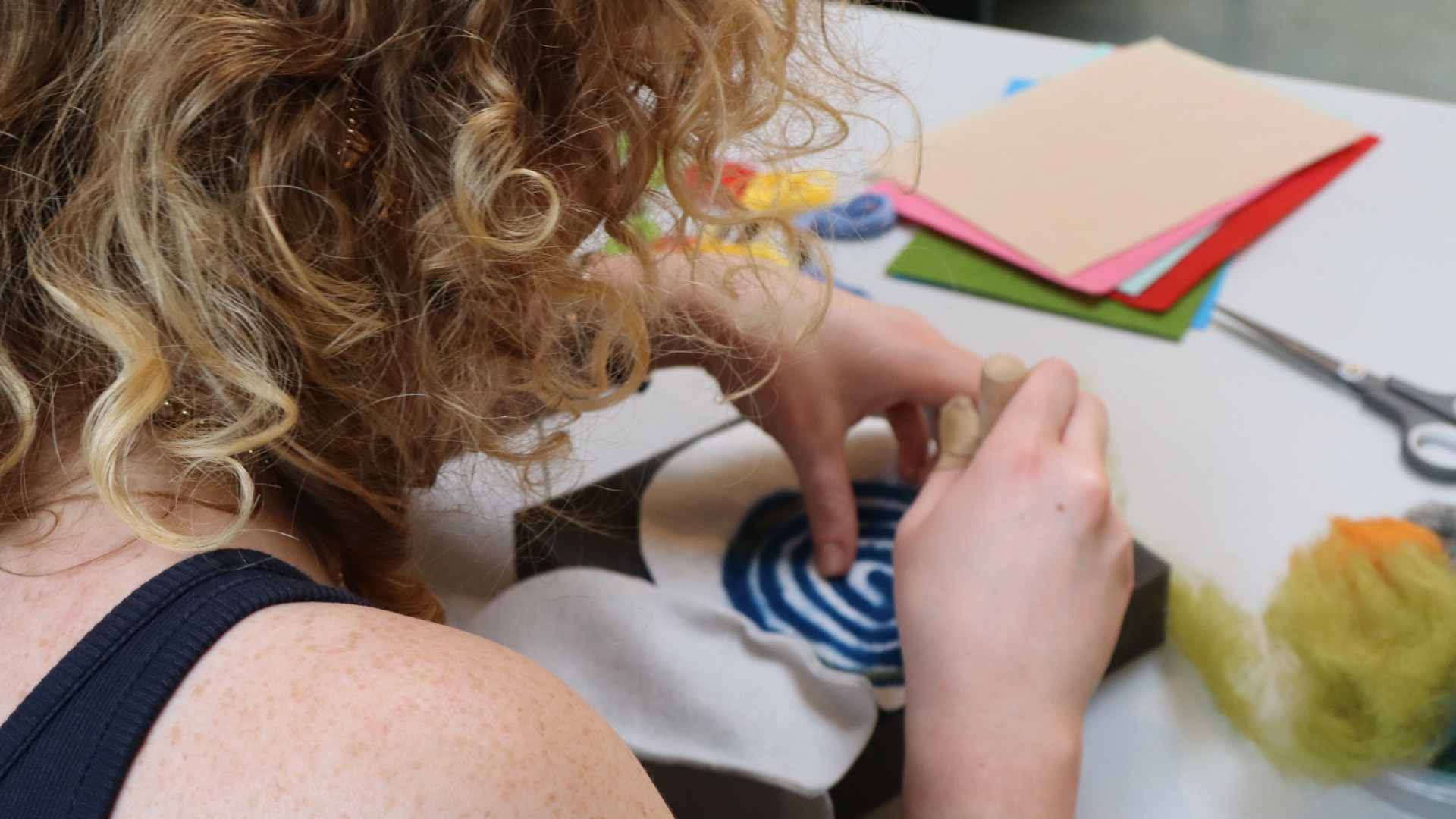
Secondary schools worked with contemporary artists and makers on projects including ceramics, street art, textiles, jewellery, paper sculpture and digital scanning.
At LaSWAP Sixth Form Consortium, A-level art students worked for seven weeks with ceramic artist Noa Weintraub to develop a collaborative large-scale piece. At William Ellis, Year 9 pupils worked with street artist Ben Eine to create the school’s values through typography. At Regent High School, pupils explored identity through collage and textiles with artist Imogen Patel.
These experiences gave pupils access to techniques, artists and creative careers that many would not otherwise encounter.
Building the partnerships to make it sustainable
A major strength of the Biennale has been the network it has built between schools and some of Camden’s leading cultural organisations.Teachers took part in professional development with Central Saint Martins, Tate, the British Museum, National Portrait Gallery, October Gallery and Cockpit Studios, alongside sessions led by practising artists and makers.
More than 50 teachers attended an Art Leads meeting at Central Saint Martins, while 48 teachers took part in a National Portrait Gallery session exploring resources that could be used to strengthen school art curricula.
At Cockpit Studios, teachers experimented with new techniques and met working artists. At Tate, they explored how to make better use of collections and resources before, during and after pupil visits.
The impact was evident in teacher feedback. Following a visit to an outstanding secondary art department, one Camden teacher said:
“Since visiting we have totally changed our curriculum and marking system. It was transformational and helped us to shake up our practice.”
The longer-term ambition of the Biennale is to upskill teachers, help build new and lasting relationships with cultural partners and give children and young people greater confidence to continue developing their artistic talents.
Opening doors to creative futures
The programme has also connected pupils with the wider creative economy.
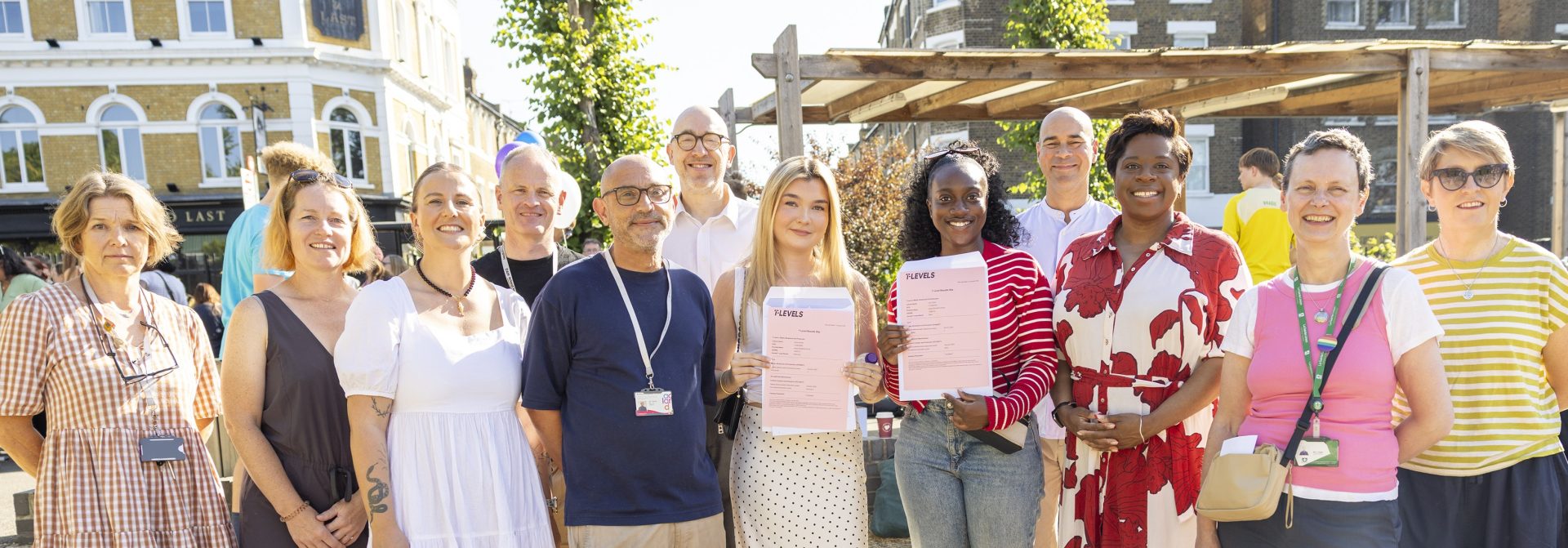
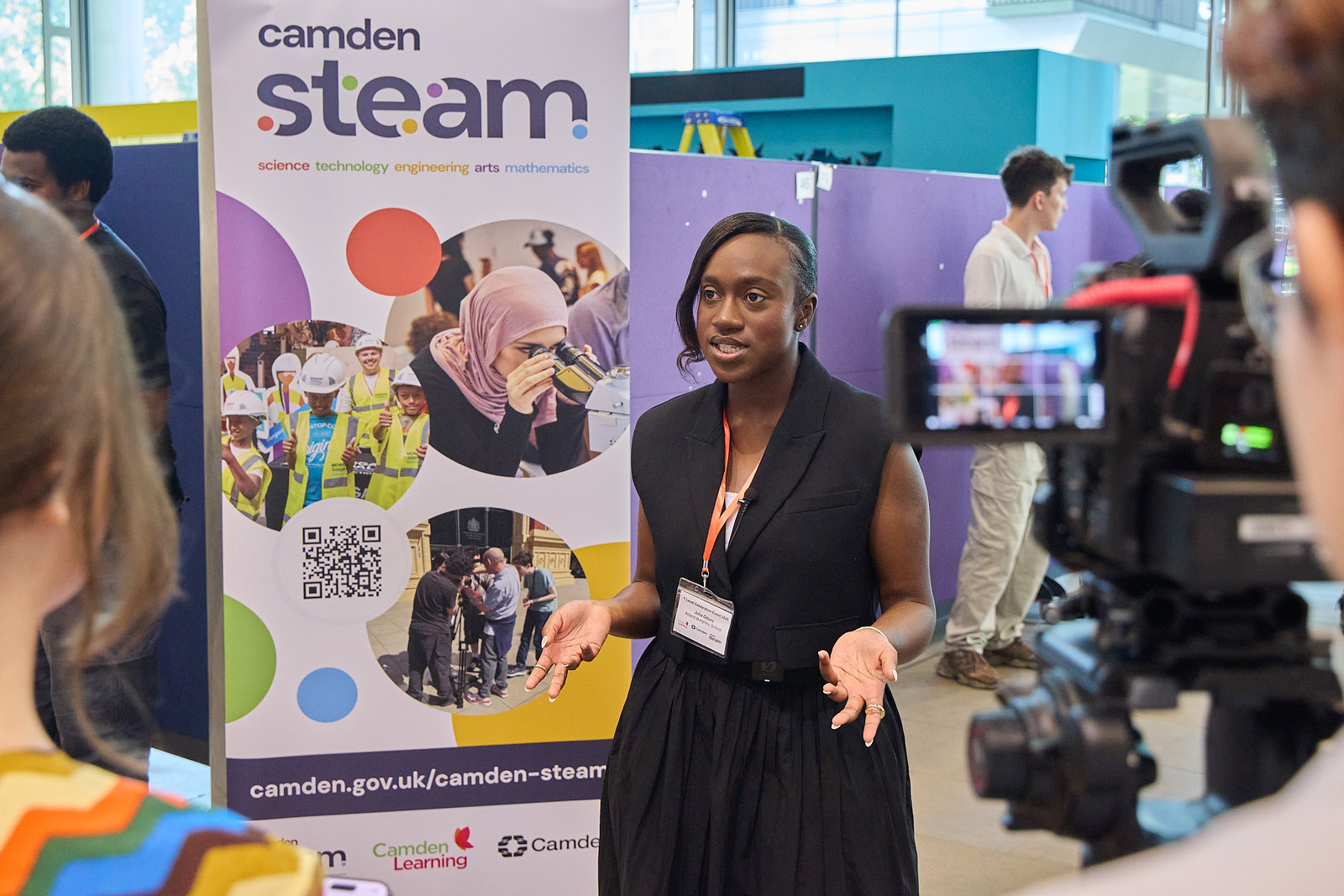
Students from Acland Burghley’s T Level programme created a behind-the-scenes film documenting the production of the exhibition, giving them practical experience of working on a major cultural project.
For Gwen, that wider perspective matters.
“It’s not necessarily about becoming a fine artist,” she says. “You can still be creative and it’s a really important life skill and feeds into many, many different careers.”
That is closely aligned with the government’s argument for a stronger enrichment offer: giving young people opportunities to develop confidence, discover interests and understand possibilities beyond the classroom.
An Art Biennale that belongs to the whole borough
The exhibition itself was the culmination of all this work and most importantly it was a celebration.
Pupils, families, teachers and visitors came to see work produced by children from across Camden, with school groups also taking part in workshops in the gallery. Around 480 pupils took part in these exhibition workshops, including children from special schools and pupil referral units.The workshops encouraged pupils to slow down, look closely at the work on display and respond to what they saw, before creating their own mini artworks.
For some families, the exhibition also provided an introduction to galleries and contemporary art. One parent told Gwen that they would not normally visit an exhibition or gallery, but that the Biennale felt like a comfortable first step.
That accessibility is central to the project.
“It’s free, it’s yours, you’re welcome,” says Gwen. “You don’t have to know loads about art to be able to go into a gallery and have a look at what’s going on.”
The Biennale offers something important to the wider national conversation about enrichment. We must help to remove the barriers that can make cultural experiences feel as though they are only for the few.
What can other schools learn from Camden?
The government’s Every Child Can programme sets out an important ambition. Camden’s experience suggests that making it a reality requires building relationships with the cultural organisations and creative practitioners around schools. It means investing in teachers as well as pupils and connecting enrichment to the curriculum rather than treating it as an add-on.
The Camden Schools Art Biennale has shown what that can look like at scale.It has given every school in the borough a place in a major cultural event, brought professional artists into classrooms, given teachers new skills, opened pupils’ eyes to creative careers and enabled children to see their work celebrated at Central Saint Martins. Most importantly, it has helped children see themselves differently and to feel like artists in their own right.
You can learn more here about our enrichment pledges to ensure that every child and young person in Camden receives an enriching education.