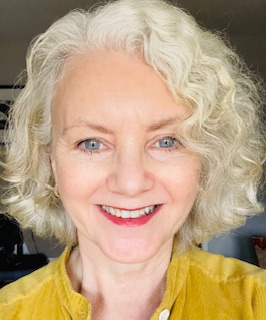
As the Camden Schools Art Biennale prepares to return in July 2026, Gwen Lee, Camden Learning’s Excellence Adviser for Arts and Enrichment, explains how the borough-wide celebration of creativity is helping to strengthen arts education, connect schools with cultural organisations and inspire the next generation of artists, makers and designers.
What is the Camden Schools Art Biennale?
The idea was originally inspired by former Camden Council Lead Member for Best Start Children and Families, Angela Mason after a visit to the Venice Biennale.
“We’re a very creative borough and she thought we should have our very own Biennale.”
The event was conceived as a visual arts counterpart to Camden’s much-loved schools’ music celebrations.
“We perform at the Royal Albert Hall every other year and we thought we could alternate this with a visual arts version to further celebrate the creativity of our schools.”
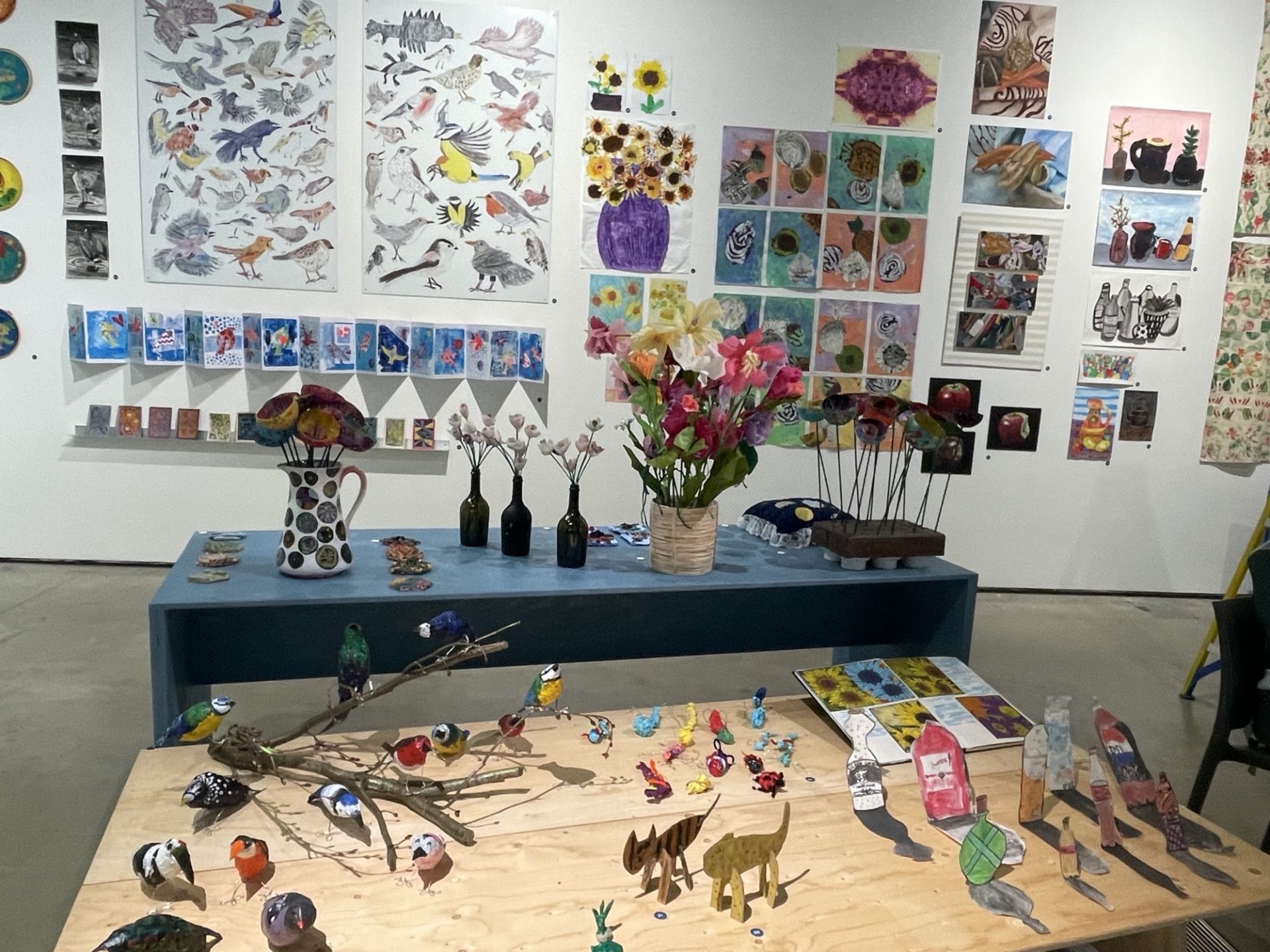
Hosted at Central Saint Martins, the Art Biennale will showcase artwork from children and young people across Camden, from Early Years through to A level. But from the outset, Gwen and her colleagues wanted it to be about more than a gallery exhibition.
“We want to impact the quality of arts education across Camden and ultimately, the Art Biennale aims to raise the profile and status of arts education for all.”
Tell us more about the bigger ambition…
“The event provides a valuable opportunity to show what wonders can be created when you upskill teachers, bring in organisations and create enthusiasm to spark a passion for art in our children and young people.”
“It’s saying: please give time in your curriculum for art.”
Gwen believes the Biennale has become increasingly important at a time when arts subjects have faced growing pressures.
What impact did the first Biennale have?
“One of the key benefits was to discover just how wonderful the arts are in Camden and how talented the children are.”
“The first exhibition in 2024 was an absolute joy. It really raised the spirits, but it also put Camden on the map in terms of arts and we’re going to build on that this year.”
The impact extended well beyond the exhibition itself.
“It made a lot of connections between schools, between art leads and with organisations. It increased visits to galleries, local exhibitions and involvement in enrichment projects that schools built into their curriculum.”
The success of the inaugural Biennale also helped establish a dedicated arts leadership role within Camden Learning, our area-based partnership of 57 schools.
More than 20 artists and creative organisations are involved this year. Why are those partnerships so important?
“A huge part of the Biennale is creating meaningful relationships between schools and the cultural organisations that exist right on our doorstep.”
“We wanted to make meaningful links and provide really high-quality training for teachers.”
The programme brings together schools with organisations including Central Saint Martins, the Tate, the British Museum, the National Portrait Gallery, Cockpit Studios, October Gallery and many others.
“Teachers are incredibly busy. Galleries and organisations produce all this amazing material, but teachers never have time to sit down and look through them.
“Part of our role is ring-fencing that time for teachers and showing students, and their families too, what’s out there.”
The aim is for those relationships to continue long after the Biennale closes.
How do artists working directly with schools benefit pupils and staff?
The artist partnerships have been carefully designed to leave a lasting impact. Artists work alongside teachers to plan projects linked directly to curriculum learning.
“This is about creating something that teachers can build into the curriculum and deliver themselves. It’s CPD for teachers as well as an incredible opportunity for children to work directly with eminent artists.”
Artist educators work with schools to develop skills in areas such as printmaking, textiles, sculpture and drawing.
“The teacher can see how the artist structures a sequence of learning, how they use a particular medium and what children can achieve with that level of expertise and input.”
“It really raises the bar.”
Every Camden primary school has now benefited from artist-led CPD through the Biennale programme.
“You can see the legacy of that in the schools that took part the first time around.”
What does the Biennale mean for young people?
For many pupils, the experience can be transformative. One young participant summed up the impact perfectly:
“I never thought I’d see my art exhibited in a place like this [Central Saint Martins]. I’ve always wanted to become a designer and this is the first step on my journey.”
Gwen says the arts give young people both a creative outlet and a sense of achievement:
“When we watch children doing art, they become really deeply engaged in what they’re doing. They’re in a state of flow – it’s a way for them of feeling success, but also having an outlet to express themselves.”
Children regularly describe the positive effect creativity has on their wellbeing.
“They tell us things like, ‘everybody should have art in their lives’, ‘art makes me feel calm’ and ‘art makes me feel happy’.”
The exhibition features work from nursery children through to A level students. What does that tell us about creativity in Camden?
One of the most distinctive aspects of the Biennale is the breadth of work on display.
“We go from nursery to A level and we don’t organise it by age. It’s all mixed together and curated into themes.”
The exhibition showcases everything from playful early-years creations to sophisticated responses to contemporary issues.
“For example, this year, there are some really amazing pieces about masculinity. There are responses to environmental concerns and geopolitics. These things really matter to young people and art provides a powerful means of self-expression.”
“It’s a way of expressing their views in a creative and safe way.”
At the same time, the exhibition celebrates creativity in all its forms.
“Some of the work is responding to big issues and then other work is, ‘I’ve created a monster out of clay’. It’s so lovely.”
How does the Biennale support Camden’s wider ambitions for children and young people?
For Gwen, the Biennale is closely connected to Camden’s commitment to belonging, opportunity and cultural access.
She believes schools have a vital role to play in helping families engage with the cultural opportunities around them.
“We want people to know that museums and galleries are free and belong to us all.”
Camden’s world-class cultural institutions are accessible to every family, regardless of background.
“We can go to the Tate, the National Gallery or the British Museum for free. They’re an incredible resource, but without schools taking people by the hand, many families wouldn’t go because they wouldn’t feel it was for them.”
“The Art Biennale is a way of saying: this is for you, art is for all of us.”
How does the Biennale help young people see future careers in the creative industries?
“The programme is designed to help children and young people understand that creativity can lead to exciting and fulfilling careers.”
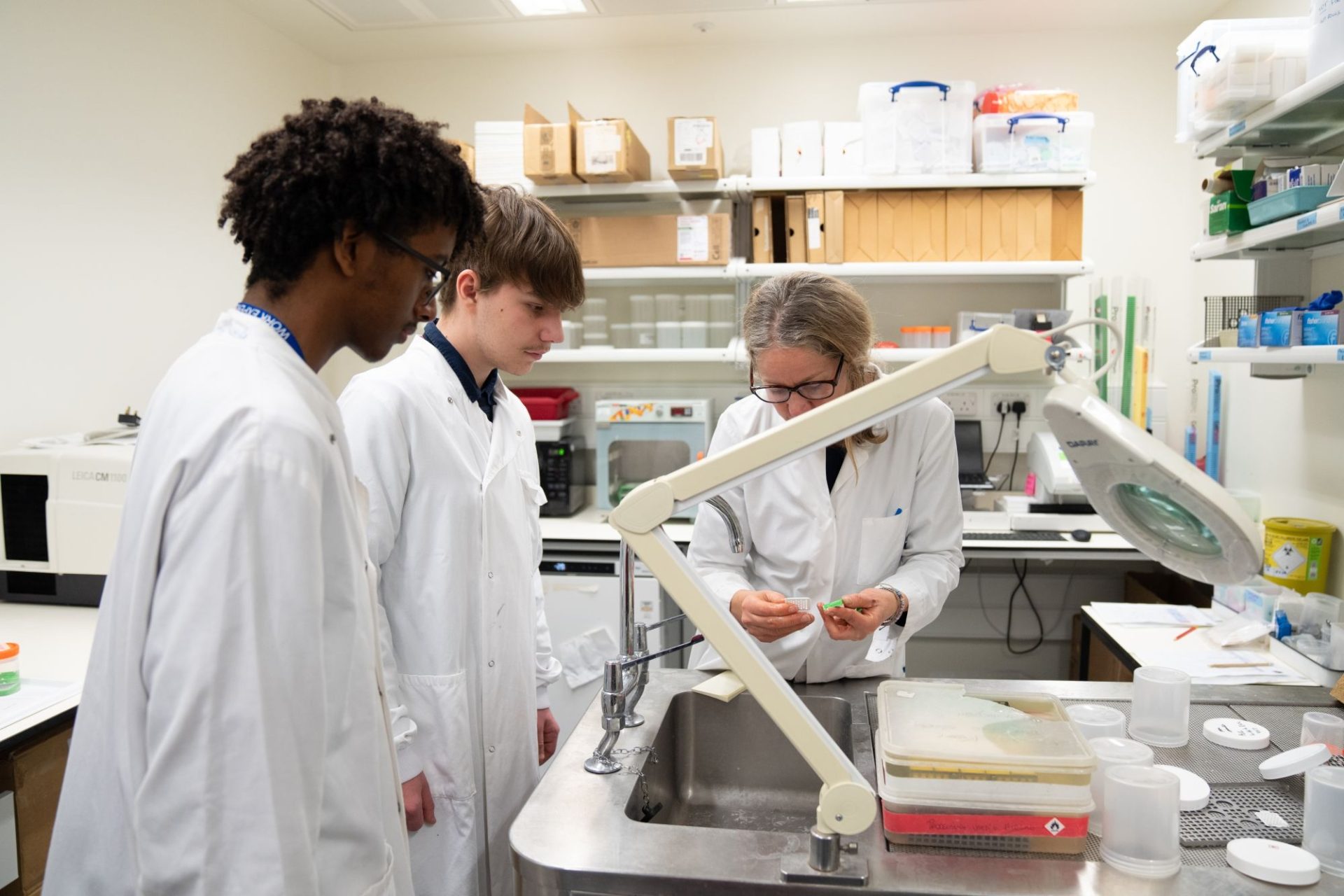
“From visits to secondary art departments for primary school children, through to trips to Central Saint Martins and work experience for secondary students, and encounters with professional makers and designers, young people can see a pathway into the creative industries.”
Looking ahead, what would success look like for the 2026 Biennale?
The first Biennale attracted more than 4,000 visitors in just one week. The 2026 event will run for two weeks and feature an expanded programme of workshops, talks and family activities.
But for Gwen, success is ultimately measured by the impact left behind.
“If you’ve been somewhere once, you go again. Whether it’s a school developing a new partnership, a teacher gaining confidence or a child discovering a creative passion, those are the outcomes that matter most.”
“We want this to have a lasting impact on the quality of arts education across Camden.
“The Biennale exhibition is not only a celebration of children’s achievement, but clear evidence of the talent, cultural diversity and creative potential that can be unlocked when the arts are properly valued and supported within education.”
Find out more about the Camden Schools Art Biennale 2026 and plan your visit.